
The 2026 World Cup kicks off June 11, and the World Cup marketing campaigns are already setting the bar. The advertising industry clearly didn’t wait for the starting whistle. This week’s Adweek roundup of the week’s most notable campaigns is almost entirely sports-driven—and a few brands are doing something genuinely interesting. Here’s what stood out.
McDonald’s: Swinging for the Fences on the World Cup
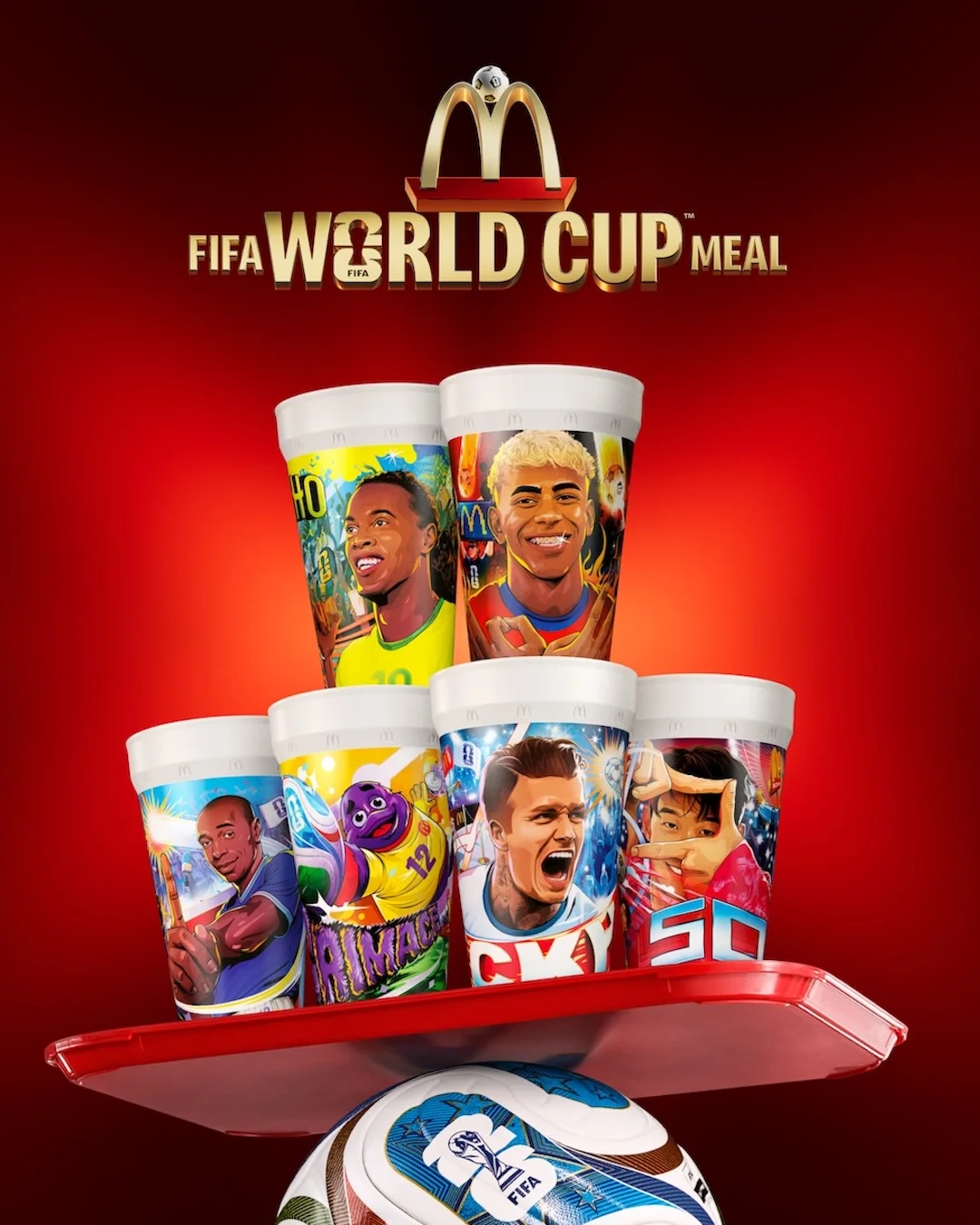
McDonald’s put together what Adweek describes as the brand’s largest-ever World Cup campaign—an all-star roster of football legends developed with Wieden+Kennedy. The campaign had a complicated origin: the original concept was reportedly scrapped and rebuilt from scratch before the team landed on something that actually works. The result leans hard into nostalgia and fan culture, pairing McDonald’s with the kind of players and moments that global audiences already love.
This is textbook event-driven marketing. McDonald’s knows that a World Cup with billions of viewers globally is an enormous attention window, and they’re meeting it with collectible cups, Happy Meal tie-ins, and a global cast designed to connect with fans across every market. The approach isn’t subtle—it doesn’t need to be.
- What’s driving it: Global event timing, nostalgia, and celebrity association at scale.
- The objective: Sales lift during the tournament window, plus stronger brand affinity with football fans worldwide.
Nike: Rethinking the World Cup Marketing Playbook
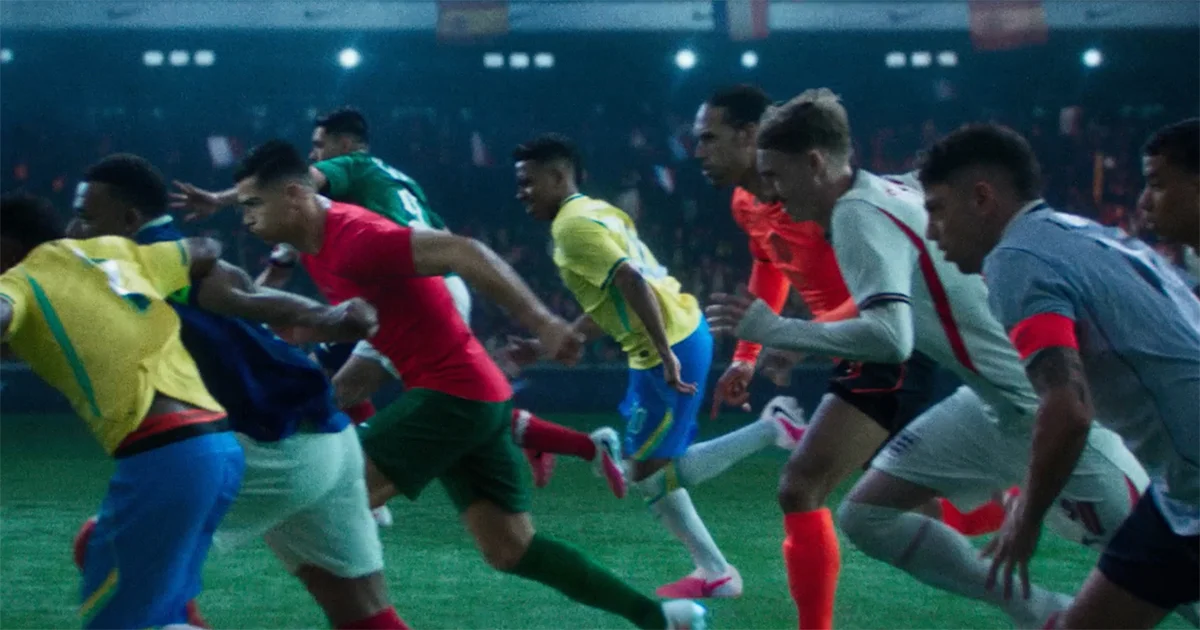
Nike’s approach this tournament looks nothing like what you’d expect. Instead of a single hero film, they released a six-minute cinematic piece designed to launch 12 full weeks of content—product drops, collaborations, and creator campaigns rolling out across every day of the tournament’s 39-day run. It’s a deliberate rejection of the big-bang model Nike has relied on for years.
The strategy reflects how people actually consume media in 2026. Spreading your firepower across 12 weeks means staying present across different platforms and audience communities rather than dominating a single news cycle. Whether it outperforms Nike’s classic blockbuster approach will be one of the more interesting marketing debates to follow this summer.
- What’s driving it: Audience fragmentation and a bet on sustained presence over single-event spectacle.
- The objective: Brand relevance at every stage of the tournament, not just opening weekend.
Apple: Making Privacy Impossible to Ignore
While nearly every other brand this week went sports-first, Apple took a completely different angle. Their new campaign animates rival browsers’ trackers as creepy “Chrome stalkers”—characters that follow users around the web, making the abstract concept of data collection feel visceral and uncomfortable. Safari is the natural solution.
It’s a classic Apple formula: identify something confusing and slightly threatening, visualize it memorably, present Apple’s product as the fix. No celebrity, no global event—just a sharp insight executed cleanly. In a week full of big, loud campaigns, it stands out by being precise. The creative was highlighted by Adweek as one of the week’s best.
- What’s driving it: Growing consumer anxiety about data privacy and Apple’s ongoing competitive positioning against Chrome.
- The objective: Safari adoption and reinforcement of Apple’s privacy-first brand identity.
Calvin Klein: Desire as Strategy
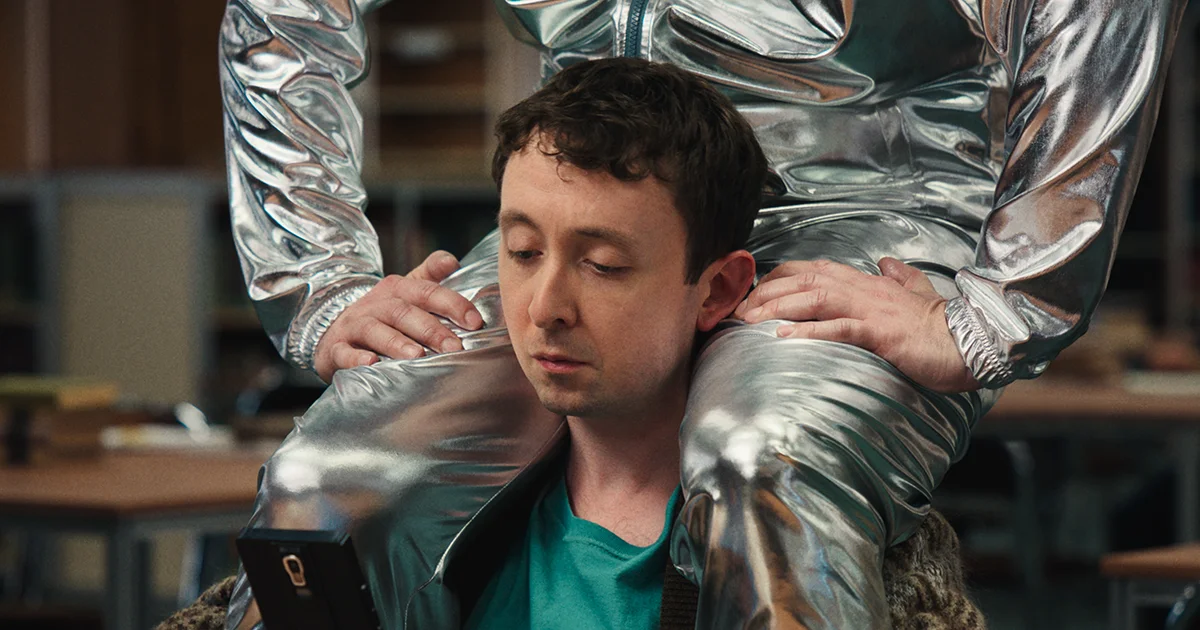
Calvin Klein keeps doing what it does best—bold visuals, carefully selected celebrity talent, and imagery designed to generate a reaction. In a week where nearly every major campaign is built around football, CK’s fashion-forward work stands out by contrast alone. The brand’s target audience isn’t the sports crowd, and it doesn’t try to pretend otherwise.
Desire-based marketing is its own discipline, and Calvin Klein executes it as well as anyone in fashion. The formula hasn’t changed dramatically, but when done well, it doesn’t need to.
- What’s driving it: Celebrity endorsement, aspirational positioning, and provocative imagery.
- The objective: Cultural relevance and brand desirability with a fashion-forward, younger demographic.
Lego: 314 Million Views Before Breakfast
The headline number of the week belongs to Lego. Their campaign brought together Messi, Ronaldo, Mbappé, and Vinícius Jr.—four of the most recognizable athletes in the world—and filmed them around a table building a Lego version of the FIFA World Cup trophy. Created by Lego’s in-house team with Wieden+Kennedy Amsterdam, the spot hit 314 million views across the players’ Instagram accounts within 24 hours of release.
Beyond the raw numbers, what works here is the framing: four fiercely competitive rivals, sitting together doing something playful. It’s a genuine expression of what Lego stands for—creativity, imagination, shared experience—wrapped around the world’s biggest sporting event. It’s also an object lesson in influencer activation at scale: getting four athletes with a combined following of hundreds of millions to organically promote your campaign is genuinely hard to pull off.
- What’s driving it: Universal themes of play and one of the most powerful celebrity line-ups assembled for a brand campaign in recent memory.
- The objective: Cross-generational brand appeal and a massive earned media spike ahead of the World Cup.
What the 2026 World Cup Marketing Campaigns Teach Us
An extra $10.5 billion in global ad spend is expected to pour into Q2 2026 off the back of the World Cup, and the competition for attention is already underway. The brands cutting through this week aren’t necessarily spending the most—they’re the ones with the clearest sense of what they’re trying to say. McDonald’s bet on star power and nostalgia. Nike bet on longevity and breadth over spectacle. Apple ignored the sports cycle entirely and won with a sharply targeted message. Lego turned four footballers and some plastic bricks into a storytelling engine.
The lesson isn’t that one approach beats the rest—it’s that knowing why you’re doing something tends to show in the work. For another example of that thinking in action, see how Pepsi’s Football Nation campaign turned a word debate into a global brand platform.
