
In the fast-paced world of marketing agencies, it feels like every other headline is about Artificial Intelligence (AI). From automating tasks to generating content, AI is definitely shaking things up. But here’s the twist: as AI gets smarter, the most important marketing skills for 2026 won’t be about mastering complex algorithms. Instead, it’ll be our uniquely human abilities—like creativity, empathy, and strategic thinking—that help talent stand out.
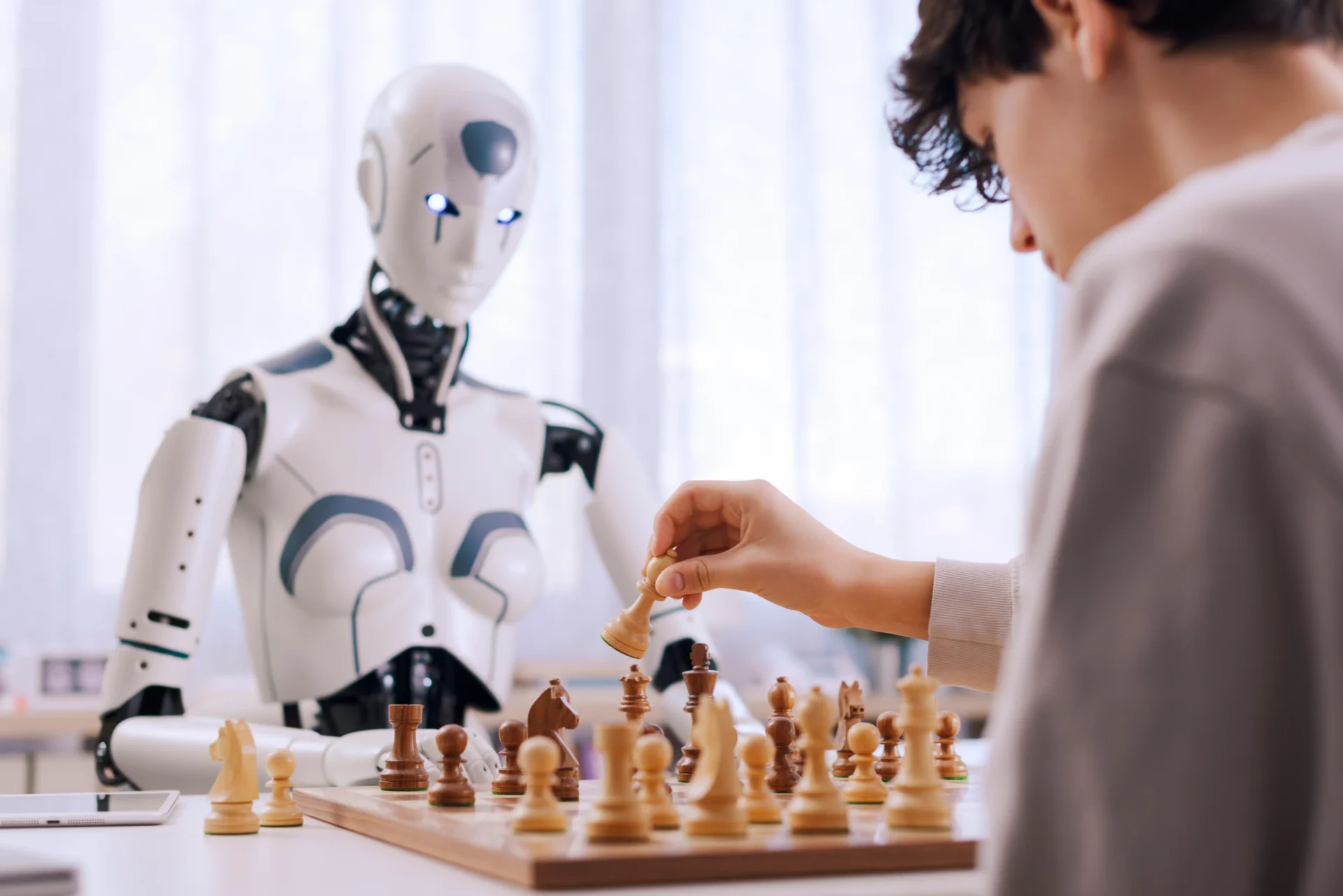
The AI Tsunami: Reshaping Agencies at Lightning Speed
There’s no denying it: AI in marketing is here, and it’s moving fast. Reports from major research leaders like McKinsey’s AI insights hub and the Marketing AI Institute’s State of Marketing AI report show that agencies are rapidly adopting AI tools to speed up work, improve efficiency, and help teams spend less time on repetitive tasks.
This rapid digital transformation doesn’t only mean “robots taking over.” It’s more about people working with AI. And when that happens, what humans do best becomes even more valuable.
The Future of Marketing: It’s All About Being Human
If AI can write ad copy, analyze data, and generate visuals, what’s left for people? A lot.
AI can process patterns, but it can’t truly understand emotions, cultural nuance, or why something will feel “off” to a real audience. That’s why human judgment still matters so much—especially when brands are trying to build trust, stay authentic, and avoid mistakes that could damage their reputation.
A helpful breakdown of this idea is explained in Harvard Professional & Executive Education’s piece on AI and the future of marketing, which highlights how AI supports the work, but human skills help create real meaning and differentiation.
Top Marketing Skills for 2026 and Beyond
Here are the human strengths that will matter more—not less—in an AI-heavy marketing world:
- Creativity and innovation: AI can remix and generate variations, but humans create truly original concepts, fresh brand worlds, and new angles that cut through noise.
- Emotional intelligence and empathy: Understanding people, reading the room, and communicating with care is still a human advantage—especially in sensitive cultural moments.
- Strategic thinking and problem-solving: AI can suggest options, but humans set direction, make tradeoffs, and decide what matters most for the brand long-term.
- Ethical AI use and critical thinking: Humans must spot bias, check accuracy, and ensure the work matches brand values and legal standards.
The Marketing Strategy: Invest in People, Not Just Programs
For agencies, the message is clear: yes, invest in strong AI tools—but don’t stop there. The real advantage comes from building teams that think creatively, understand people, and can lead strategy with confidence.
The agencies that win in 2026 won’t be the ones using AI the most. They’ll be the ones using AI well, with human judgment guiding every step.
