
Most brands approach creator campaigns the same way they approach traditional advertising: develop a brief, find someone with a big audience, pay them to deliver the message. The real problem is that authenticity in creator-led campaigns gets treated as a production concern rather than a strategic foundation. It is a formula that looks clean on paper and tends to fall apart in execution. The reason those campaigns so often underperform isn’t bad creative direction or an insufficient budget. It’s that the relationship between brand and creator was treated as a transaction from the very beginning.
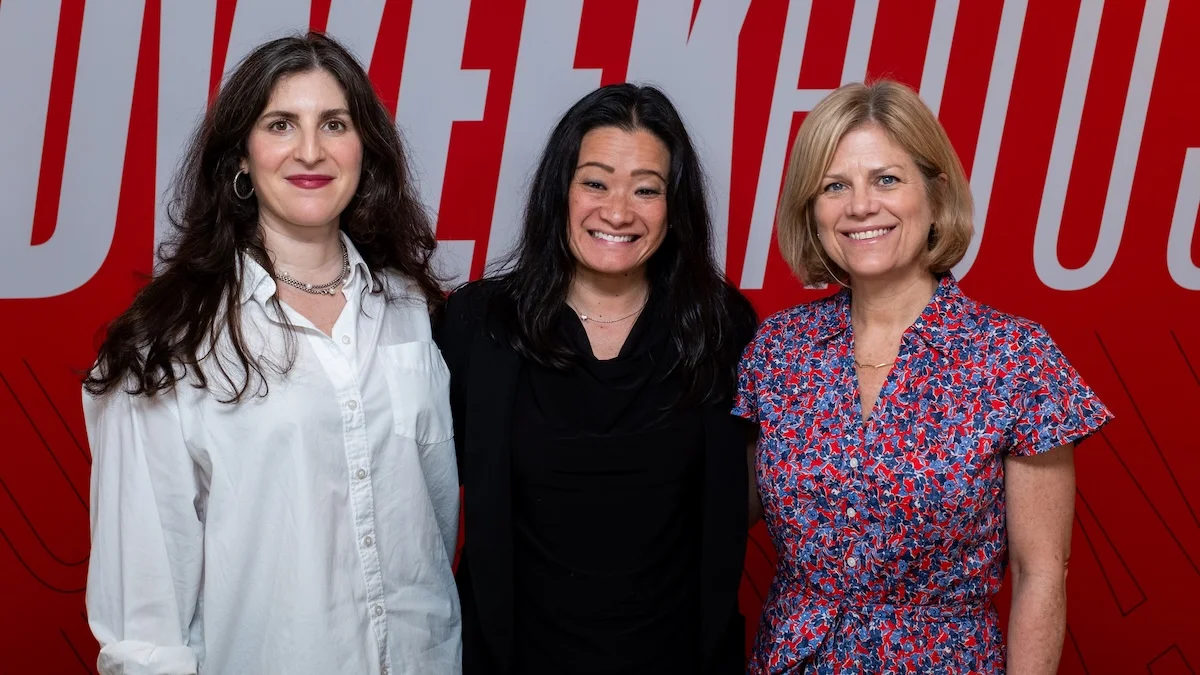
That’s the central argument from Collectively, a creator marketing agency, in their recent work featured in partnership with Adweek. Their finding: the brands running the most effective creator-led campaigns are doing their most important work long before any brief is written or any camera comes out of its bag.
Why Authenticity in Creator-Led Campaigns Gets Lost in the Transactional Model
For the first several years of influencer marketing, reach was the metric that mattered most. Brands bought access to audiences through creators the same way they bought billboard space, based on how many eyes would land on the message. That worked reasonably well when sponsored social posts were still novel enough to register as genuine recommendations.
It doesn’t work the same way anymore. Audiences have developed a sharp instinct for detecting when a creator endorsement is authentic versus when it’s just a paid placement. The signals are subtle but consistent: a caption that doesn’t sound like the creator’s usual voice, a product that doesn’t fit their established aesthetic, an enthusiasm that reads as performed rather than felt. Audiences pick up on these cues even when they can’t explicitly name them. When they do, the association between brand and creator works against both parties.
The frustrating part is that brands often pay premium rates to access creators with large, loyal followings, then implement a process that undermines the very thing that built those followings: the creator’s reputation for honest opinions.
What Pre-Production Authenticity Actually Looks Like
Collectively’s approach reorients the entire campaign process around one key question: does this creator already have a relationship with our brand’s world, or are we manufacturing one from scratch for the purposes of a campaign?
There’s a real difference between a creator who already uses products in a category (who has genuine opinions, preferences, and firsthand knowledge) and one who is being introduced to that category through a brand brief. The first can speak with credibility. The second can perform credibility. Most audiences can tell which is which.
Getting to authentic alignment before production means going deeper than standard vetting. Engagement rates and audience demographics are a starting point, but the more valuable work involves reading comment sections to understand what a creator’s community actually trusts them on, spending real time with their content to map their aesthetic and values, and sometimes having direct, honest conversations about whether the fit makes sense at all.
When a creator is brought into the conceptual process early, the content they eventually produce reflects that investment. You can hear it in the specificity of how they describe the product. You can see it in the moments they choose to highlight. That specificity is what moves people from passive viewers to actual customers.
The Operational Shift This Requires
For most marketing teams, this approach requires rethinking timelines more than budgets. The biggest change isn’t financial, it’s accepting that the creator relationship needs to begin long before the typical campaign planning cycle allows.
Brands that do this well tend to share a few common practices. They treat creator discovery as an ongoing function rather than a campaign-by-campaign scramble. Instead of searching for creators six weeks before a launch with the brief already locked, they’re continuously building a roster of creators who are genuinely familiar with their category. By the time a campaign launches, the relationship foundation is already in place.
They also give creators space for real product experience before creative expectations are established. Sending product three or four months before the campaign window, with no ask attached other than honest feedback, serves two purposes. It gives the creator time to develop a genuine point of view. It also reveals which creators are authentically enthusiastic versus which are simply willing to participate. That distinction shows up directly in performance.
Finally, the briefs themselves are built to protect the creator’s voice rather than control it. The most effective creative briefs define the objective and brand guidelines clearly, then step back and let the creator own the execution. The instinct to over-specify is understandable from a brand safety perspective, but it consistently produces content that audiences have learned to tune out.
The Bigger Picture for Creator Strategy
The creator marketing landscape is at an interesting moment. The pool of creators with meaningful audiences has grown enormously, which theoretically gives brands more options. In practice, it’s also added more noise, more risk of prioritizing reach over relevance, and more room for campaigns that look good in a pitch deck and disappoint in the field.
Audiences have grown more selective in parallel. Platform algorithms have made it easier for niche communities to find creators who speak directly to their specific interests, which means the creators with the deepest trust aren’t always the ones with the biggest numbers. A creator with 80,000 highly engaged followers in a specific vertical can routinely outperform a creator with two million generalist followers when it comes to conversion and brand sentiment.
Collectively’s core argument is that authenticity can’t be manufactured in post-production or compensated for with additional budget. It’s either built into the relationship before the shoot, or it isn’t. And building it requires starting earlier than most brands currently do.
For any marketing team looking to get more out of their creator investments, start by asking whether your current approach to authenticity in creator-led campaigns begins early enough. The first question isn’t which creators to pick. It’s: how far in advance are we starting the relationship? For more on how brands are building marketing momentum around major events, see our coverage of the top brand campaigns of 2026.
