
The Kane Parsons Backrooms A24 saga started in January 2022, when a high schooler uploaded the first episode of his Backrooms series to YouTube. He was with a camera, a knack for visual effects, and a deep familiarity with internet horror lore. He wasn’t thinking about marketing. He wasn’t thinking about Hollywood. He was just making something he found genuinely creepy. The story of Kane Parsons, The Backrooms, and A24 is one of the most instructive creator-to-Hollywood arcs in recent memory.
Three years later, A24 released The Backrooms as a feature film, with Parsons (then 20 years old) directing. It premiered May 29, 2026, and crossed $200 million at the global box office. What happened in between is one of the more instructive stories in modern marketing, whether or not you think of it that way.
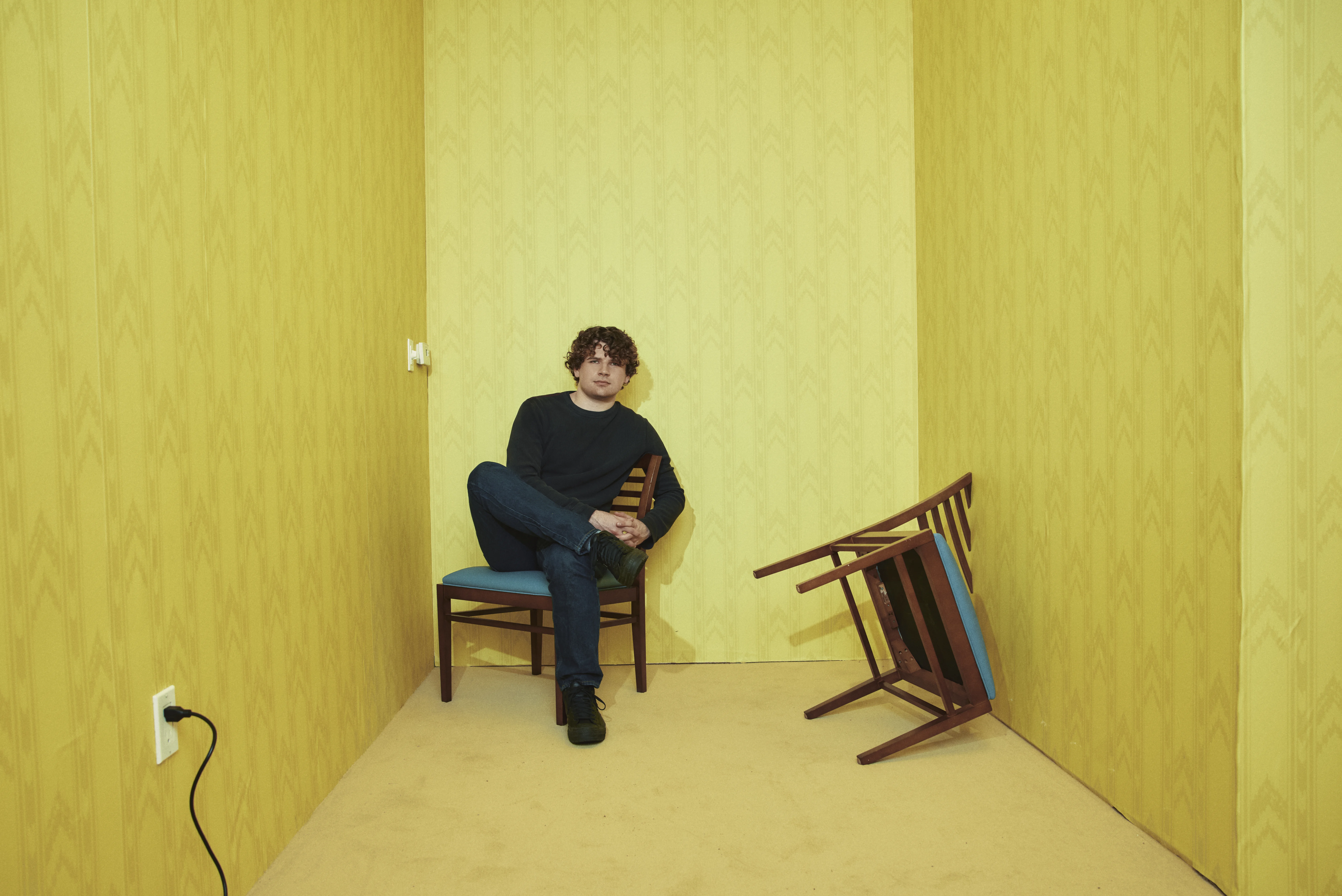
A Concept That Traveled on Its Own
The Backrooms started as a piece of internet folklore. A creepypasta concept built around the idea of “noclipping” out of reality into a vast, fluorescent-lit, endlessly looping liminal space. The idea had been floating around online communities since 2019, but Parsons was the one who gave it visual form in a way that stuck.
His early videos were remarkable for a DIY creator: believable VFX, a genuinely unsettling atmosphere, and a narrative that left room for speculation. That last part mattered. He wasn’t giving people a complete story, he was giving them a world to think about, argue about, and theorize over. The comment sections, Reddit threads, and YouTube rabbit holes that formed around his work did more to spread the concept than any paid promotion could have.
By the time the series had accumulated millions of views, Parsons hadn’t run a single ad. The audience found him because the content was specifically interesting to them, and they told people like them about it. That’s organic growth in its purest form. It’s a pattern that brands spend enormous effort trying to replicate with far less success.
What A24 Recognized in the Kane Parsons Backrooms A24 Arc
A24 has built its reputation on identifying projects that carry their own cultural gravity. Films like Everything Everywhere All at Once, Hereditary, and Midsommar didn’t need traditional marketing campaigns to generate conversation, they had inherent word-of-mouth engines built into them by virtue of being genuinely unusual and distinctive.
The Backrooms fit that profile almost perfectly. It had a built-in audience that was already passionate, a mythology with genuine depth, and a creator who understood the material from the inside rather than as an outsider adapting it. Signing Parsons wasn’t just about IP acquisition, it was about keeping the thing that made the IP valuable intact.
That’s a meaningful distinction. Hollywood’s default approach to internet properties is often to extract the name recognition and rebuild the rest from scratch. A24’s bet was that the audience didn’t just want “Backrooms content” they wanted Parsons’ Backrooms, with the specific sensibility that had generated their attachment in the first place.
The Marketing Strategy That Wasn’t
One of the more interesting aspects of how The Backrooms was marketed is how much of what worked wasn’t a formal marketing strategy at all. The pre-existing YouTube fanbase did a significant portion of the awareness work. When A24 announced the project, the response within the creator’s community was immediate and largely positive. Not the skepticism that often greets adaptations, but genuine excitement that someone was finally doing this right.
Parsons himself remained active and accessible in the run-up to the release, which mattered more than most studio marketing departments might expect. The audience that followed his YouTube journey didn’t want to be marketed to about the film, they wanted to feel like they were still part of the process. His presence on social platforms kept that connection alive throughout production and into release.
For a studio used to measuring marketing efficiency in terms of trailer views and paid media spend, this kind of audience relationship is genuinely difficult to quantify. But the $200 million gross on what was, by Hollywood standards, a modestly budgeted project makes the case fairly clearly.
What Marketers Can Actually Take from This
The obvious temptation when a story like this emerges is to extract a few bullet points and treat them as a playbook. “Build community first.” “Let audiences co-create the narrative.” “Prioritize authentic creators.” All of those things are true, but they’re also incomplete as a recipe.
What made Parsons’ trajectory work was that none of it was strategic in the conventional sense. He made content he was genuinely interested in, for an audience whose interests overlapped with his, without trying to optimize the output for reach or engagement. The marketing value was a byproduct of that authentic creative investment, not a goal in itself.
The useful lesson for brands isn’t “make a YouTube series and wait for A24 to call.” It’s something more fundamental about the relationship between genuine value creation and audience trust. Parsons built trust with his audience over years of consistent, honest creative work. By the time A24 needed that trust to translate into ticket sales, it was already there.
Most brands are trying to rent that kind of trust through partnerships and endorsements. Parsons built it from scratch. The difference in durability is substantial.
What makes the Kane Parsons Backrooms A24 partnership significant for marketers is not the outcome, but the process that made it inevitable. For related reading on creator-driven campaigns, see our piece on authenticity in creator-led campaigns. The practical question for any marketer watching this story unfold is: what are we building today that earns audience trust over time, rather than just borrowing it for a campaign cycle? That’s a harder question than it sounds. But it’s the right one.
