
Ten years is a long time to do anything on the internet, and for Andrew Rea, the creator behind Binging with Babish, the milestone is a signal that things are just getting started. What began as a cooking channel in 2016 has grown into something that looks less like a YouTube hobby and more like a full consumer business, and a pretty ambitious one at that.
This week, Rea announced a partnership with meal-kit service CookUnity to sell a line of Babish-branded pre-made dishes. The first four launch in the New York tri-state area, with Chicago and Los Angeles coming next. The eventual goal is a rotating menu of 10 core dishes plus five seasonal items. Rea developed each recipe himself and worked with CookUnity’s test kitchens to make them work at scale.
Making the Food Actually Accessible
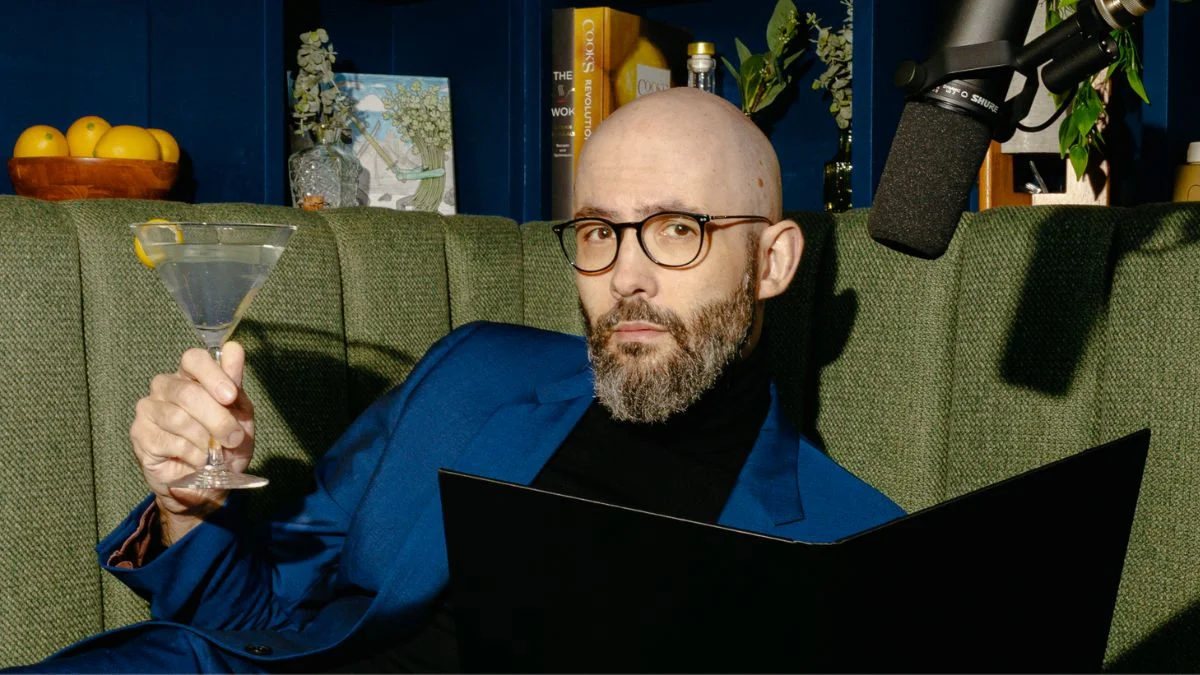
The timing makes a lot of sense. A big part of the Babish audience watches him cook dishes they have no realistic shot of pulling off at home. His pot roast and fried chicken are fan favorites, but they take serious time and technique. Now those same fans can just order them delivered. CookUnity had already been an advertising partner of the channel, so this deal grew naturally out of an existing relationship. Rea gets paid per meal sold.
A Podcast, a Rental, and More
The CookUnity partnership is just one piece of a busy stretch for the Binging with Babish brand. Back in May, Rea launched a podcast through Vox Media called In the Booth with Babish. It runs every two weeks and features long-form conversations about food with guests like William H. Macy and Alton Brown. Vox handles the production backend while Rea keeps creative control. The first season runs 26 episodes.
Earlier this spring he also opened Bed n Babish, a short-term rental compound along the Delaware River designed for food-focused travelers. It rounds out an already solid portfolio that includes several cookbooks, a cookware line sold through Walmart and Amazon, and Baked with Babish, a THC-infused sugar product that is getting a wider rollout this fall.
Building a Business Without the Martha Stewart Gene
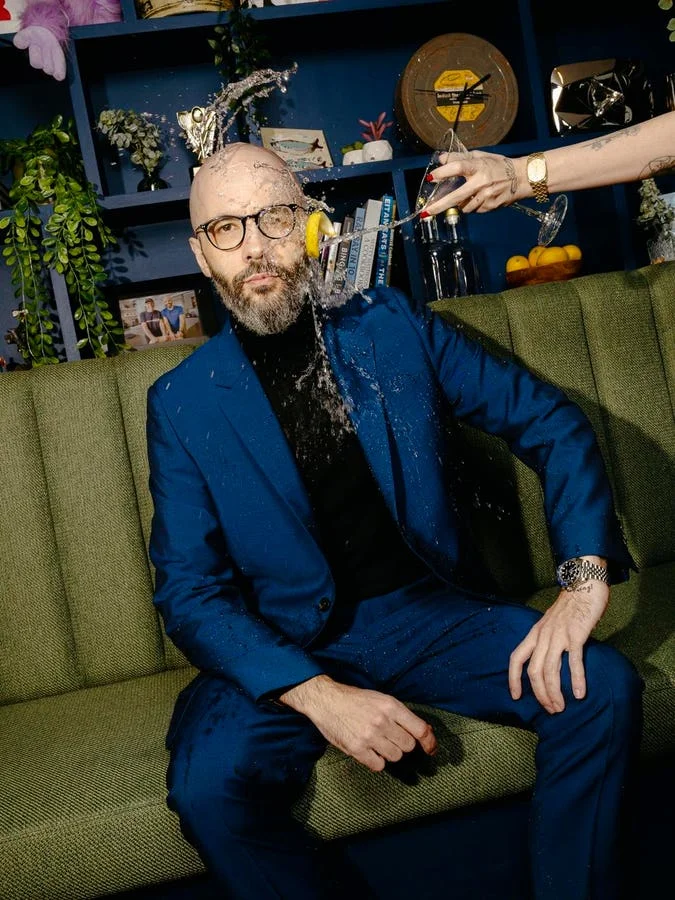
Rea hit 4 million YouTube subscribers earlier this year. He quit his day job in post-production just six months after starting the channel in 2016, which says a lot about how quickly the audience responded. The business today runs lean: his longtime friend Sawyer Jacobs serves as CEO, and there are four full-time staffers including two editors. Made In, the cookware brand, invested $3 million in the operation in exchange for native sponsored content on the channel.
Despite all of it, Rea is pretty clear that the business side is not what drives him. He is a film school graduate who spent seven years in post-production before YouTube, and that creative background is still very much the engine. He is going into production this summer on a thriller he has been writing for about a decade, a story about a person who wakes up in a different body each day. He pointed to Kane Parsons, the Backrooms filmmaker now developing a project with A24, as the kind of trajectory the creator path can actually open up.
“Every YouTuber is a small business. You are an LLC generating revenue and changing your business model depending on what’s trending.”
Andrew Rea, Binging with Babish
That quote sums up where the creator economy sits right now. The most durable creator brands are not just banking ad revenue anymore. They are building product lines, media partnerships, and experiences that can hold an audience well beyond a single platform. Binging with Babish is a pretty good example of what that looks like when it actually works.
