
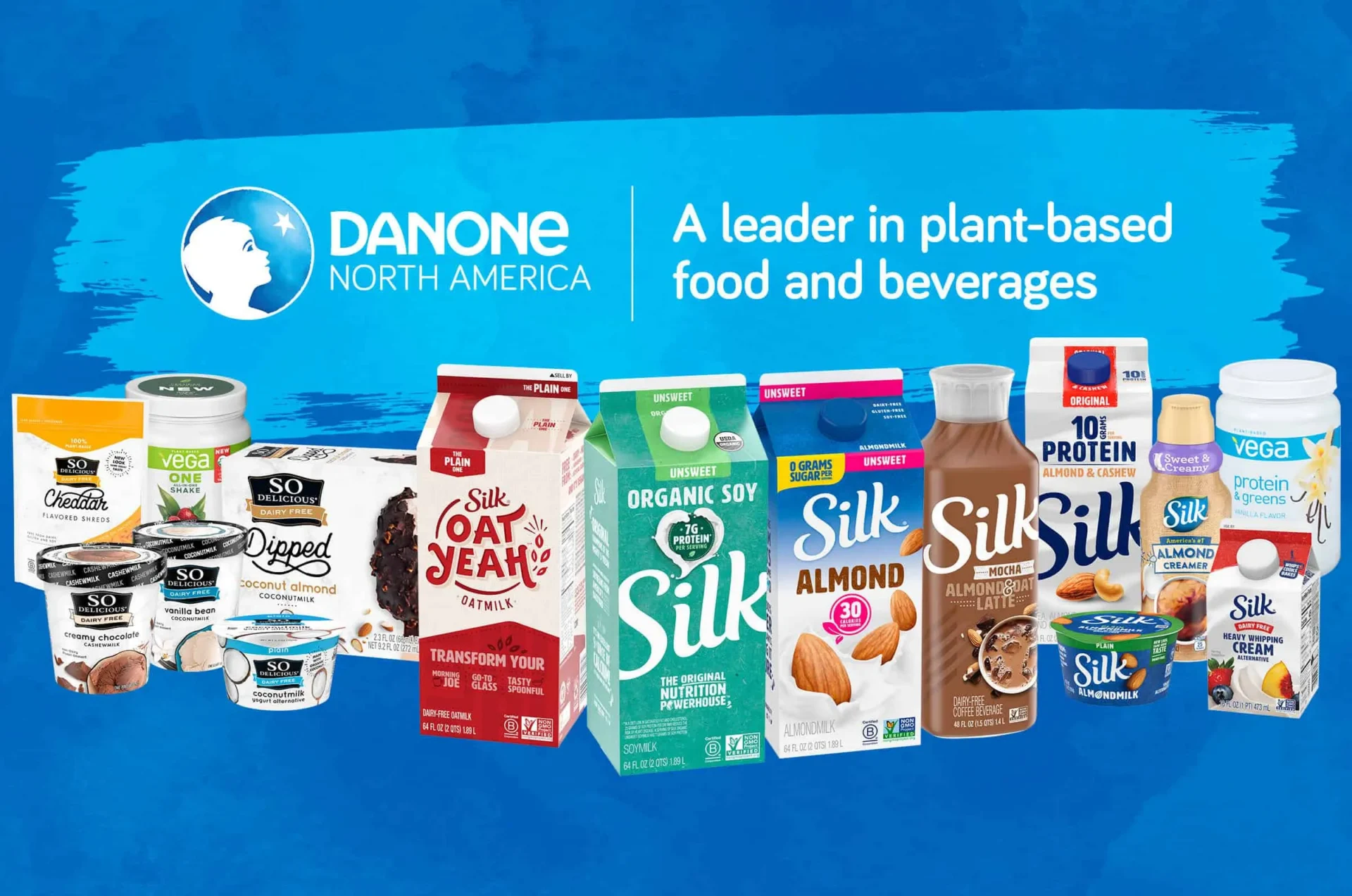
In the fast-paced world of brand management and consumer goods marketing, leadership changes are always closely watched. One of the biggest recent moves comes from food giant Danone North America, where Linda Bethea, the longtime Chief Marketing Officer (CMO), is set to depart. Her exit signals more than a simple role change. It reflects a broader shift in how Danone plans to structure its marketing strategy in the U.S. and across the region.
The Departure of a Marketing Leader
As CMO of Danone North America, Linda Bethea led marketing across a large portfolio of well-known brands in categories like dairy, plant-based, and beverages. The CMO role typically oversees brand development, advertising campaigns, market research, and digital marketing strategies, shaping how consumers see and experience the company’s products.
According to reporting from Adweek, Danone plans to fold its U.S. marketing operations into a wider regional leadership structure instead of maintaining a stand‑alone U.S. CMO position. This change suggests that marketing leadership and decision-making will be more centralized and shared across North America, rather than concentrated in one executive for the U.S. only. Industry coverage notes that Danone publicly thanked Bethea for her six years of service and contributions to its brands.
Danone’s Evolving Marketing Strategy: A Regional Approach
Danone’s move to integrate U.S. marketing into a broader regional structure reflects a trend many global consumer packaged goods companies are following: more integrated, regional corporate marketing models. Instead of each country operating separately, brands are tying decisions more closely to regional and global strategies.
Key reasons behind this type of restructuring include:
- Efficiency and Synergy: A regional leadership model can create more efficient use of resources and tighter coordination across brands and markets. It allows teams to share consumer insights, research, and creative platforms, rather than duplicating efforts market by market.
- Stronger Global Alignment: For a multinational like Danone, closer integration helps ensure that global brand strategies and brand positioning stay consistent while still being adapted to local needs. This is especially important in areas like product marketing, packaging, and messaging around health and sustainability.
- Greater Agility: With markets shifting quickly, whether due to changing consumer behavior, digital channels, or new competitors—integrated leadership can speed up decision-making and enable faster responses to trends.
By embedding U.S. marketing into a broader North American leadership team, Danone appears to be aiming for more cohesive marketing operations and a tighter link between commercial and marketing goals.
What This Means for the Marketing Industry
Danone’s changes offer several important lessons and signals for marketers:
- The CMO Role Is Evolving, Not Disappearing
The shift away from a single U.S. CMO does not mean marketing expertise is less important. Instead, it suggests that leadership responsibilities may be shared across a wider regional or category-based team, with marketing more deeply woven into overall business strategy. - Integrated Leadership Models Are Growing
More large organizations are blending marketing with sales, insights, and operations under unified regional leaders. This can lead to more consistent customer engagement and more coordinated campaigns across channels and markets. - Faster Response to Consumer Trends
The food and beverage industry is constantly adapting to new consumer trends like plant-based eating, health and wellness, and sustainability. A flexible marketing structure can help brands launch product innovations and targeted advertising campaigns more quickly as tastes change.
Overall, Danone’s move is a reminder that marketing structures are not fixed. Companies must regularly reassess how marketing fits into the wider business if they want to stay competitive and connected to their audiences. For marketers, understanding how roles, reporting lines, and regional models are changing is just as important as keeping up with new channels or tools.